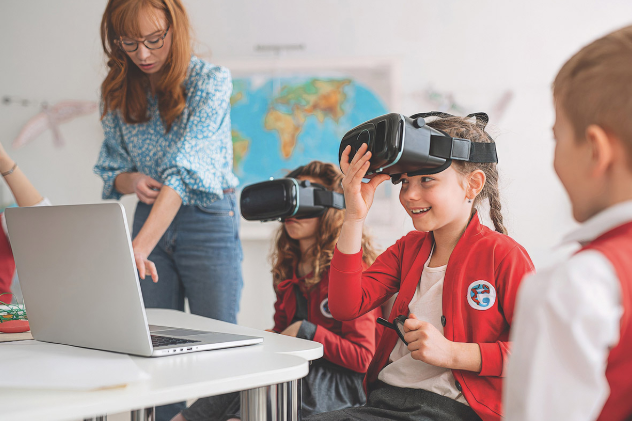
Virtual reality is reshaping the landscapes of gaming and education. In gaming, it facilitates immersive storytelling and interactive gameplay. Meanwhile, in educational contexts, VR introduces dynamic simulations that enhance learning retention. This convergence of technology and engagement raises questions about the future of both fields. As VR continues to advance, its potential implications warrant close examination. What might these innovations mean for users and learners alike?
How Virtual Reality Is Transforming Gaming Experiences
Virtual reality (VR) is revolutionizing the gaming landscape, creating unparalleled immersive experiences that engage players like never before.
By blending immersive storytelling with dynamic multiplayer interactions, VR enables gamers to step into vividly crafted worlds.
Players not only navigate intricate narratives but also collaborate or compete in real-time, fostering a sense of connection and freedom that transcends traditional gaming limitations, transforming how stories are told and experienced.
The Benefits of VR In Educational Settings
How can immersive technology reshape the learning experience?
Virtual reality (VR) introduces immersive learning through interactive simulations that engage students in unprecedented ways. By allowing learners to explore complex concepts in a virtual environment, VR fosters deeper understanding and retention.
This innovative approach liberates educators from traditional methods, offering a dynamic platform where creativity and exploration thrive, ultimately transforming educational settings into vibrant, interactive learning ecosystems.
Comparing Traditional Learning to VR Learning
The shift from traditional learning methods to immersive VR experiences marks a significant evolution in educational paradigms.
Unlike conventional approaches, VR learning offers interactive simulations that engage students on a deeper level.
These immersive experiences foster creativity and critical thinking, enabling learners to explore complex concepts in a liberated environment.
Ultimately, this dynamic shift enhances understanding and retention, redefining the landscape of education.
See also: Virtual Reality in Gaming
Future Trends: What’s Next for VR In Gaming and Education?
As technology continues to advance, the future of VR in gaming and education promises to be transformative, paving the way for unprecedented levels of engagement and interactivity.
Immersive storytelling will captivate users, allowing them to live narratives rather than just observe.
Meanwhile, interactive simulations will enhance learning experiences, enabling students to explore complex concepts in dynamic environments, fostering creativity and critical thinking.
Conclusion
As the sun sets on traditional boundaries, virtual reality emerges as a vibrant phoenix, soaring high above the realms of gaming and education. This transformative technology weaves intricate tapestries of immersive experiences, inviting players and learners alike into enchanted landscapes where creativity blooms and knowledge flourishes. With each advancement, VR paves new pathways, guiding users through uncharted territories of engagement, ultimately shaping a future where the lines between reality and imagination blur, revealing endless possibilities.